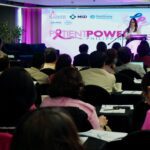
ICanServe Foundation brought together patients, survivors, caregivers, advocates, healthcare professionals, government representatives, nonprofit organizations and private-sector partners for the Patient Power Summit 2026: “Advocacy to Action — Advancing the Global Breast Cancer Initiative.”
At the heart of the two-day summit was a simple but powerful idea: patients are not merely recipients of healthcare. They are active participants in the system, and their experiences, questions and needs should help shape the way care is designed, delivered and improved.
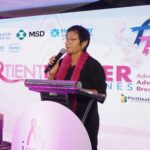
The summit was formally opened by ICanServe Foundation President and Co-Founder Kara Magsanoc-Alikpala, who has spent decades advocating for breast cancer patients and helping ensure that their voices are heard.
From there, the program moved into the systems, policies and day-to-day realities that shape the cancer journey. Day 1 covered cancer advocacy, the Global Breast Cancer Initiative and the National Integrated Cancer Control Act, alongside practical concerns such as the financial burden of treatment, access to support, supportive care and patient rights.
The discussions were designed to make these issues relevant and actionable for patients. A session with PhilHealth representatives, for example, helped participants better understand benefits, membership and the steps involved in accessing financial support for cancer care. Another explored what patient rights look like in real-life situations and what patients can do when navigating healthcare institutions.
Participants were also given space to bring their own experiences into the conversation. Breakout sessions invited them to identify gaps, examine where support falls short and co-create possible solutions. The aim was not simply to explain how the system works, but to make sure patients have a meaningful role in shaping how it can work better.
Day 2 turned more closely to life during and after cancer. Sessions explored survivorship and long-term follow-up, fear of recurrence, nutrition and sustainable healthy choices, patient navigation, and the value of lived experience. These conversations reinforced one of the summit’s key principles: “Nothing for us, without us.” Patients and survivors bring knowledge that can only come from living through diagnosis, treatment, recovery and life beyond cancer, and that perspective deserves a place in decisions that affect their care.
Patient empowerment, however, does not mean patients should have to navigate the system alone. Better cancer care depends on every stakeholder playing a part. Patients bring firsthand experience. Healthcare professionals bring clinical expertise. Government and policymakers shape systems, policy and access. Patient organizations provide support and advocacy, while private-sector and nonprofit partners can contribute resources, expertise and reach.
That spirit of collaboration was visible throughout the summit itself. Most sponsors and partners had booths where participants could learn more about programs and services and speak directly with their teams. Free services were also made available during the two-day event: Medi Linx provided free creatinine or blood testing, PhilHealth assisted with YAKAP registration, membership updates and other concerns, while the Philippine Society of Vascular Medicine offered free lymphedema screening. AC Health – Healthway Cancer Care Hospital also raffled off free executive checkup packages to participants.
The summit was made possible through the support of MSD, AC Health – Healthway Cancer Care Hospital, Bio-ONCO of Unilab, Roche, NutriAsia, AstraZeneca, PhilHealth, Medi Linx and the Philippine Society of Vascular Medicine, with Brittany Hotel and the City of Taguig as venue partners and support from CWC Interiors.
After two days of discussion, reflection and shared problem-solving, ICanServe Co-Founder Crisann Celdran formally closed the summit. Her closing brought the program back to its central challenge: to recognize what is working, identify where gaps remain and decide what patients, advocates and partners can do together to move from advocacy to action.
Patient Power Summit 2026 ultimately reinforced one message: improving cancer care is not the work of one sector alone. Patients need to understand the value of their own voice, and that voice becomes even more powerful when healthcare professionals, government, communities, advocates and partners are willing to listen, respond and work alongside them.
Better cancer care is something we build together, with patients not at the sidelines, but with seats at the table.
The two-day summit was streamed live on ICanServe Foundation’s Facebook page, and recordings of the sessions are available there for anyone who would like to watch or revisit the discussions.
-

- From left: ICanServe president Kara Alikpala, trustee and head of Collaboration Nikoy de Guzman, and chairman Crisann Celdran
-
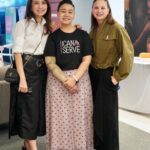
- From left: ICANSERVE trustee and head of collaboration Nikoy de Guzman, chairman Crisann Celdran, and North Luzon volunteer coordinator Marivic Bugasto of Minda’s Buddies
-
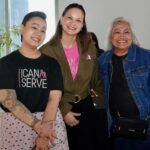
- ICANSERVE vice president Doris Nuval
-
- ICANSERVE trustee and head of Collaboration Nikoy de Guzman (center) with summit participants

-
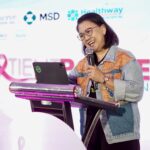
- ICANSERVE volunteer Veck Arjona
-
- From left: ICANSERVE volunteer Lea Flores, Keri Zamora of Caring Keri Foundation, ICANSERVE president Kara Magsanoc-Alikpala, Charity Marohombsar and Patricia Lim of Better Days Wellbeing Center, Melissa de Leon Joseph of Stage Zero by Project Pink, and ICANSERVE trustee Bangge Mabanta

-
- From left:
-
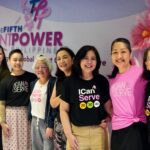
- ICANSERVE trustees at the Patient Power Summit from left: Doris Nuval (vice president), Crisann Celdran (chairman), Margie Jorillo (treasurer), Sheila Cruz (secretary), Kara Magsanoc-Alikpala (president), Bangge Mabanta, Nikoy de Guzman and Ina Vergel de Dios